
Nose & Sinus Disorders
Home / Nose & Sinus Disorders
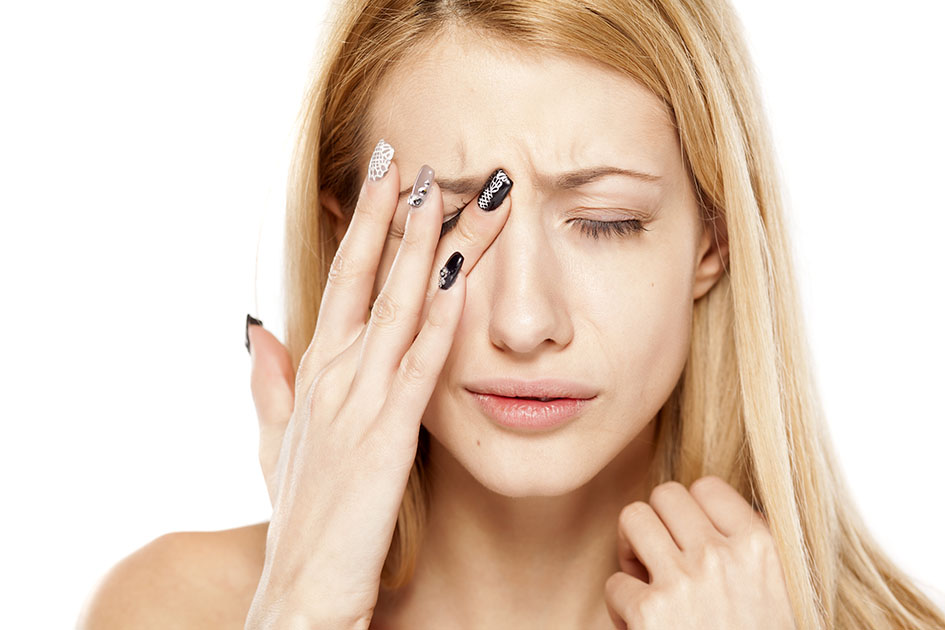
Nose & Sinus Disorder
Nose and sinus disorders are common conditions that are caused by:
· Sinusitis, which refers to the inflammation of the sinuses. Although sinusitis is not life-threatening, chronic sinusitis causes a lower quality of life than asthma or congestive heart failure. Known causes for this chronic condition may include persistent bacterial infection, allergies or environmental irritants, and even dental infections. Smoking may aggravate this condition, which may result in polyps – small non-cancerous growths – in the sinuses.
· ⦁ Injury to the nose and sinuses. A damaged nose makes it difficult or impossible to breathe through the nose. If the nose heals improperly, it is an example of damage that may lead to the inability to breathe nasally.
· ⦁ Crookedness and deformities of the nasal tissue (known as deviated septum) can cause breathing difficulties. This condition may be present at birth (congenital) or caused by facial trauma.
· ⦁ When tissues of the nose are malformed or weak, the nose may collapse when you inhale. This condition is known as Nasal Valve Collapse (NVC), which restricts the passage of air into the lungs.
Nose and sinus disorders can be treated successfully through Septorhinoplasty, a surgical procedure that improves your nose’s appearance and function. We understand the challenges that you may be facing due to breathing difficulties. Therefore, we make appointments available as quickly as possible, and our comprehensive patient-and-family-centred approach ensures that your needs and preferences are the focus of our treatment decisions.
We have extensive experience in efficiently treating conditions related to the nasal passageways, such as sinusitis, deviated septum and nasal valve collapse.
The substances that cause an allergic reaction in hay fever are known as an allergen. For most people who do not get hay fever, these substances are not allergens, because it doesn’t affect them and their immune system does not react to it. Despite its name, hay fever does not mean that someone is allergic to hay or has a fever, as hay is hardly ever an allergen and hay fever does not cause fever. Substances that cause an allergic reaction in hay fever include pollen, airborne allergens from plants and fungi, dust mites and pet dander. Hay fever affects the nose, eyes and sinuses.
Some people are only mildly affected by hay fever and rarely seek medical advice. However, for many people, the symptoms of hay fever may be so severe and persistent that it hinders their ability to properly carry out their daily tasks at home, work or school. These people are the ones who seek treatment. Treatments may not get rid of the symptoms altogether, but they usually help to lessen their impact, making them easier to live with. As with other allergies, hay fever symptoms are a result of your immune system mistaking a harmless substance as a harmful one and releasing chemicals that cause the symptoms.